New Zealand and the First World War
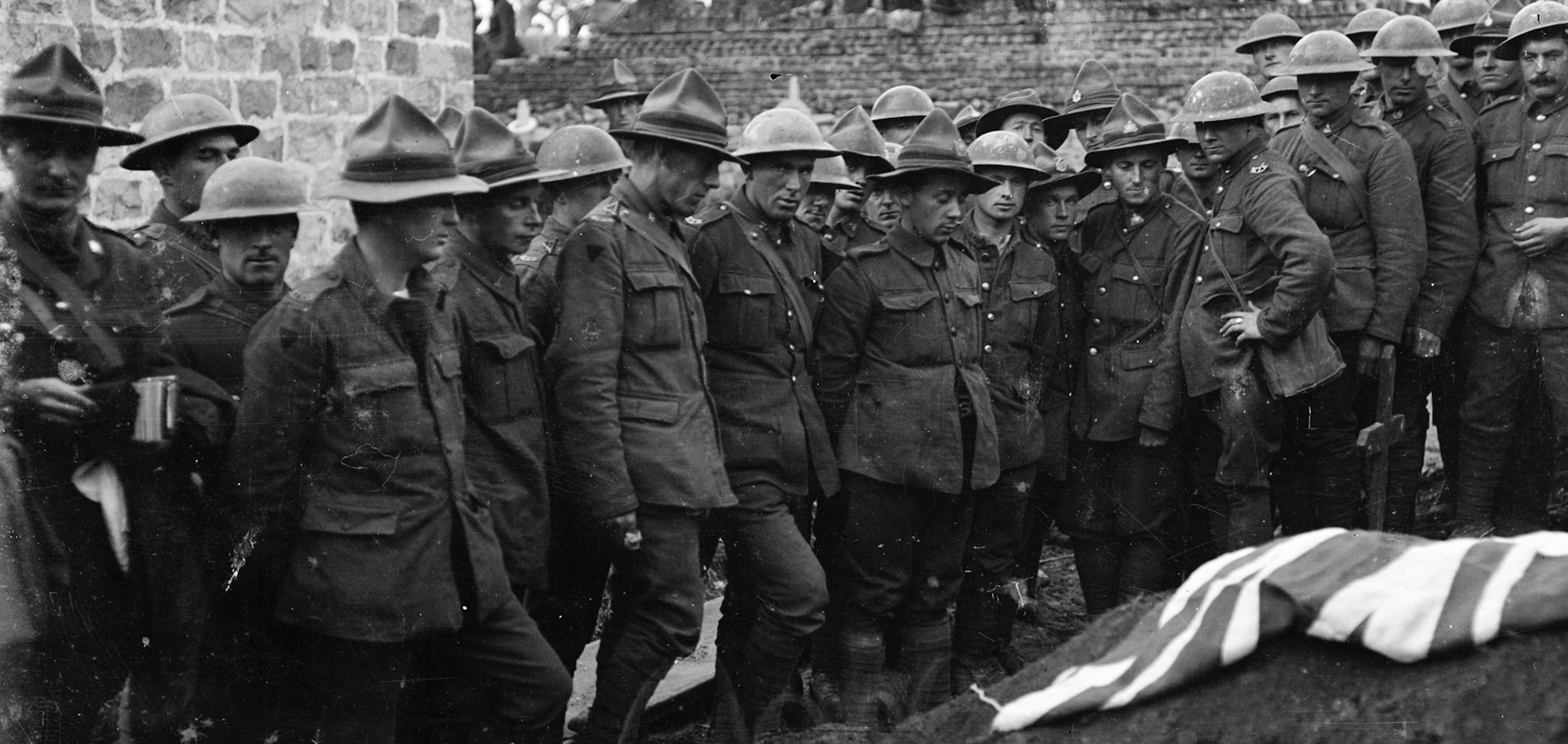
The First World War was one of the most traumatic events in New Zealand’s history. It involved a national effort unprecedented at that time, and it proved more costly, in terms of lives lost, than all the other wars that New Zealand has fought. Nearly one in five of the 100,000 men and women who served overseas died — a huge price for a country that at the time had just over one million inhabitants. The war had a far-reaching impact on New Zealand society and culture, and increased New Zealanders’ sense of national identity.
As New Zealand was part of the British Empire, Britain’s declaration of war on Germany in August 1914 meant New Zealand was at war too. Kinship ties and the widespread belief that New Zealanders were ‘British’ reinforced public support for the war. So, too, did New Zealand’s economic dependence on Britain and its reliance on the Royal Navy for security.
New Zealand Enters the War
New Zealand’s first act was the occupation of the German colony of Samoa at the end of August 1914, when a force of 1,400 troops landed unopposed.
In October 1914 the ‘main body’ of the New Zealand Expeditionary Force, comprising around 8,500 soldiers (and almost 4,000 horses), departed in ten troopships. They expected to be fighting the Germans in Europe, but when the Ottoman (Turkish) Empire entered the war, they disembarked in Egypt to help protect the Suez Canal, a vital imperial trade route.
Over the next four years a further 90,000 New Zealanders would sail to war, all undertaking the long sea voyage to Europe or the Middle East, either through the Suez Canal, around the Cape of Good Hope or (in 1917–1918) via the newly opened Panama Canal. At first all New Zealand soldiers were volunteers, but from 1916 men were also conscripted to fight.
Gallipoli
In April 1915 Australian and New Zealand Army Corps (ANZAC) troops supported a British attempt to capture the Gallipoli peninsula in Turkey. Despite months of intense fighting, especially during the August offensive when the New Zealanders briefly held the heights of Chunuk Bair, the campaign ultimately ended in costly failure. Conditions on Gallipoli were extremely difficult. The troops had to contend with poor food and sanitation, infectious diseases, extreme summer heat and, by the time the ‘Anzacs’ evacuated the peninsula in December, winter rain and snow. Around 2,800 New Zealanders died during the eight-month campaign — about one in six of the soldiers who served there.
The Western Front
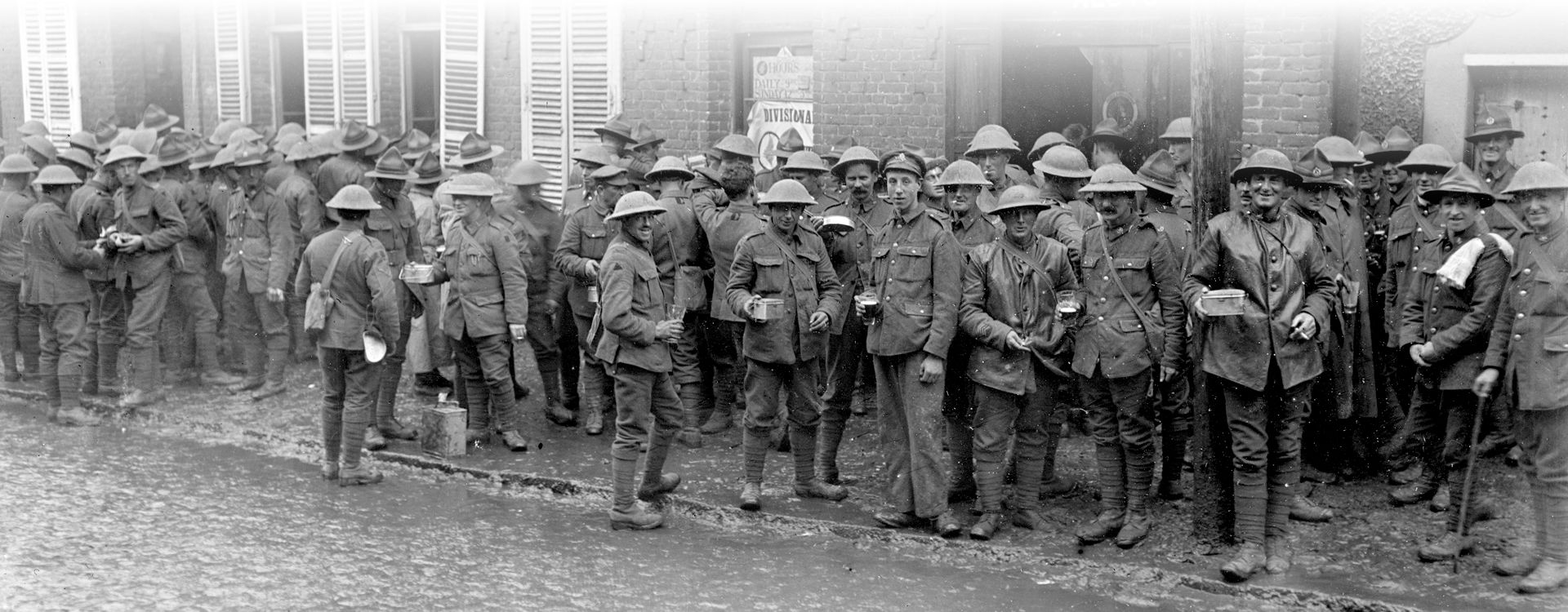
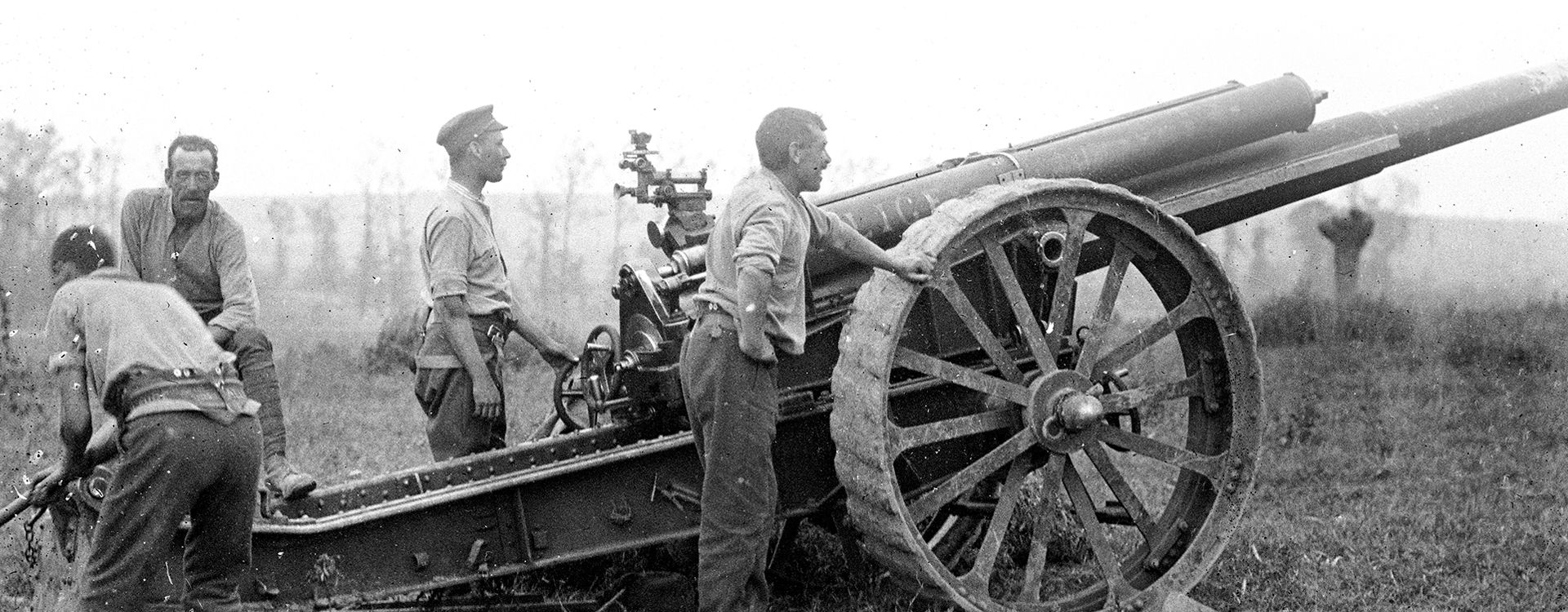
After reorganisation and reinforcement in Egypt, in April 1916 the newly formed New Zealand Division arrived in France to fight on the Western Front. Even for those who had endured Gallipoli, this was a harsh introduction to industrial warfare on a huge scale. The Division’s first major action came in September 1916, during the third phase of the battle of the Somme. The New Zealanders achieved their objectives but suffered 8,000 casualties, including 2,000 dead, in little over a month of fighting.
In June 1917 the New Zealand Division played a key role in the successful assault on Messines in Belgium, but again casualties were heavy. On October 12 during an attack on Passchendaele in appalling conditions, New Zealand suffered its highest one-day death toll when more than 840 men were killed in just a few hours. Overall, the Passchendaele campaign cost almost 9,000 casualties, including 2,000 dead.
After enduring a harsh winter in the Ypres Salient, in March 1918 the New Zealand Division was rushed south to help stop the German spring offensive on the Somme. Between August and October, as a massive Allied offensive pushed the Germans back, the New Zealanders cemented their reputation as one of the most effective divisions in the British Army, excelling at mobile warfare and winning five Victoria Crosses in five weeks.
In their last action of the war, a week before the November 11 Armistice, the New Zealanders liberated the walled French town of Le Quesnoy, where their achievements are still warmly remembered. The Western Front was by far the deadliest theatre of war for New Zealanders, claiming more than 13,000 lives.
The Middle East
While New Zealand’s main military contribution after Gallipoli was on the Western Front, a Mounted Rifles Brigade served alongside British, Australian and Indian forces in the Middle East. Between 1916 and 1918 they helped to defeat Ottoman Turkish forces in Sinai and then Palestine. In the Sinai desert these men faced extreme temperatures, a shortage of water and frequent sandstorms. In late 1917 the New Zealanders and Australians played an important role in the decisive Third Battle of Gaza, capturing the town of Beersheba. More than 600 New Zealanders lost their lives in the Middle East campaign.
Maori and Pacific Soldiers
In 1914 New Zealand’s indigenous Maori population numbered only about 50,000 people. Nevertheless, many Maori were keen to take part in the war, seeing it as an opportunity to uphold their martial traditions and demonstrate their equality with Pakeha (New Zealanders of European descent). Some tribal groups, however, particularly those that had suffered most at the hands of the colonial government in the nineteenth century, opposed their men’s participation in the war.
A 500-strong Maori Contingent fought at Gallipoli in 1915, suffering high casualties. The following year Maori troops were redeployed as pioneers (battlefield labourers) on the Western Front, where they earned a fine reputation. In 1917 their unit was renamed the Maori (Pioneer) Battalion. In total, more than 2,200 Maori, all volunteers, served overseas and around 330 died.
Several hundred Pacific Island volunteers, mostly from the New Zealand–ruled territories of Niue and the Cook Islands, also served as pioneers in the Maori Battalion. Many suffered from illness in Europe, however, and later Pacific recruits were sent to the Middle East.
Other Services
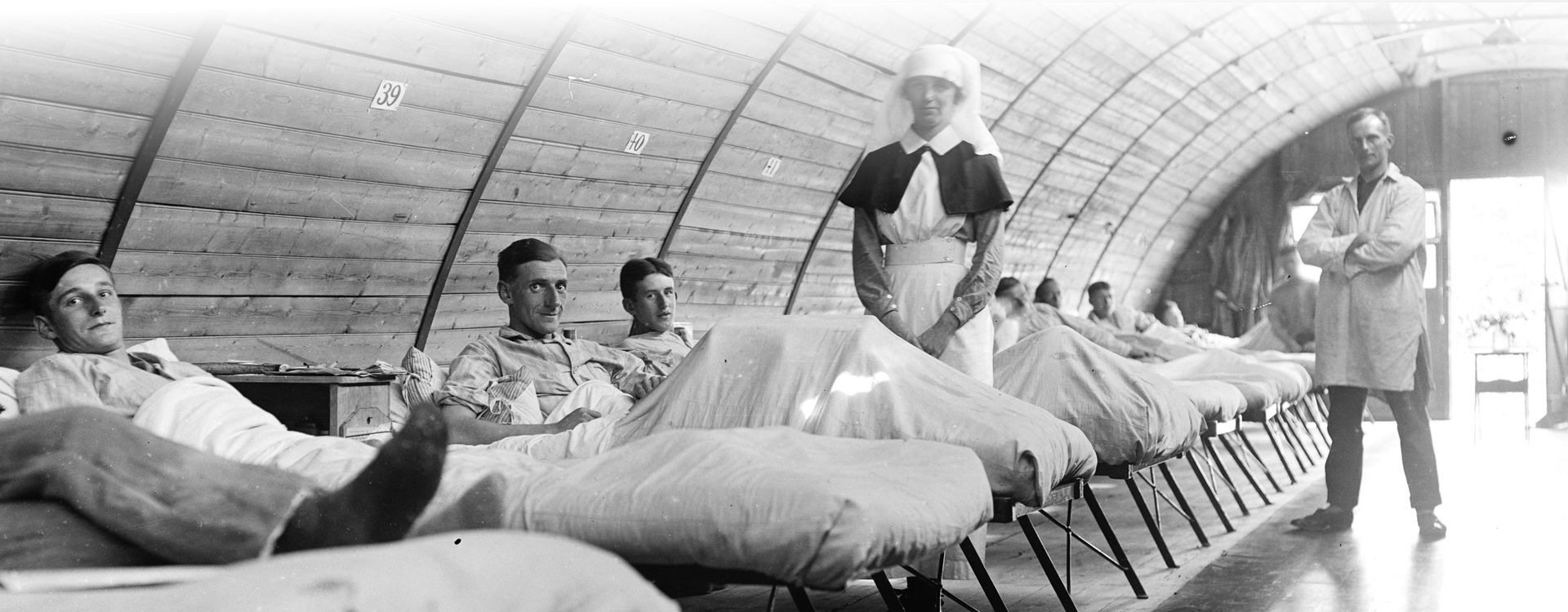
More than 500 New Zealand women served overseas with the army nursing service, and twelve died on operational service. Other women served with British and Australian forces, as doctors, nurses and ambulance drivers.
New Zealand did not have an air force during the First World War, but around 850 New Zealanders served in Britain’s Royal Flying Corps, Royal Naval Air Service and Royal Air Force, and seventy-six are known to have died.
In 1914 New Zealand’s navy consisted of a single outdated cruiser, HMS Philomel, which spent much of the war in the Persian Gulf. Several hundred New Zealanders served on other Royal Navy ships, including HMS New Zealand, a pre-war battlecruiser that had been funded by the New Zealand government.
The largest group of New Zealanders at sea were civilian seafarers on New Zealand and British merchant ships, which delivered vital food exports to Britain despite the German U-boat threat in the North Atlantic. Closer to home, German raiders laid minefields around the New Zealand coast, sinking several ships. At least seventy New Zealand merchant seamen died during the war.
The Home Front
Initially, public opinion was strongly in favour of the war, but as the conflict dragged on, casualties mounted and the cost of living rose, war weariness and internal dissent increased.
In order to maintain the supply of reinforcements, military conscription was introduced in late 1916. Some conscientious objectors refused to fight because of their beliefs, and a small number were severely punished for their stance. The government enforced strict censorship, and some trade unionists who opposed conscription or went on strike were arrested for sedition.
Meanwhile, a huge voluntary effort, mostly led by women, raised funds to support soldiers at the front, assist Belgian refugees and aid other patriotic causes. Because of a shortage of workers, more women entered the paid workforce — though wartime changes to female employment patterns were largely temporary.
Impact of the War
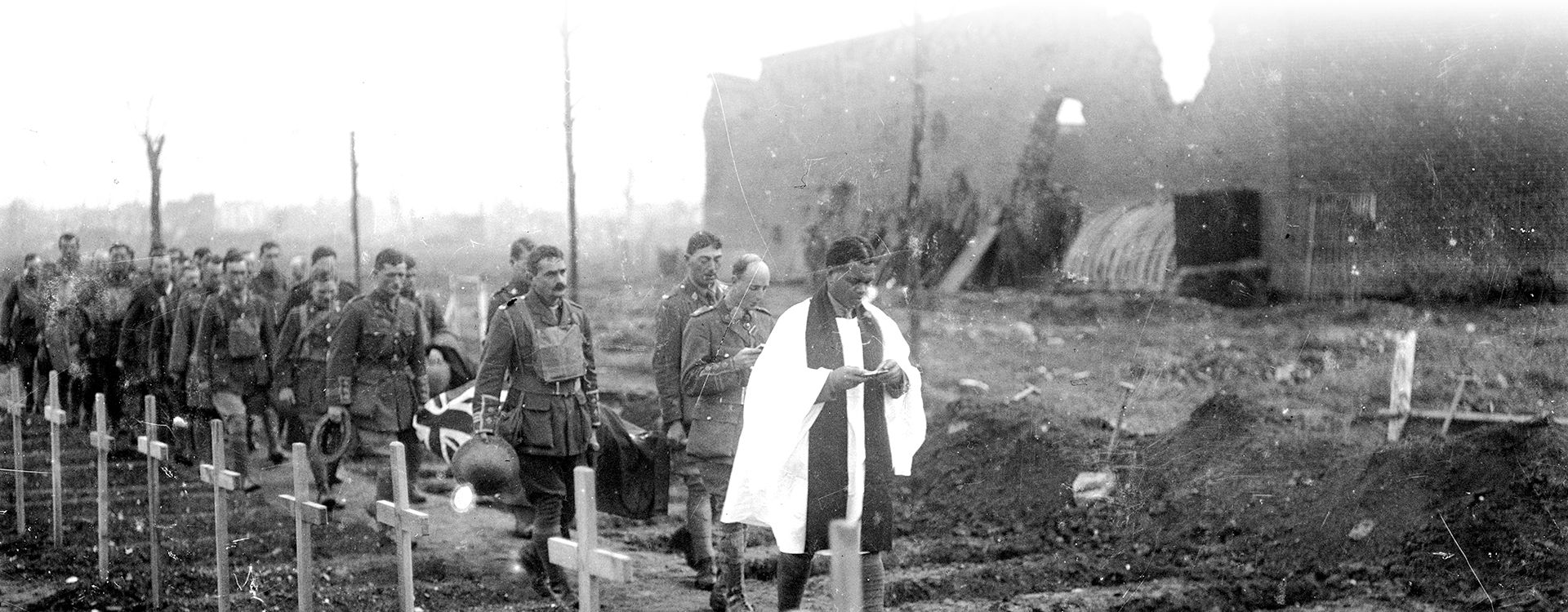
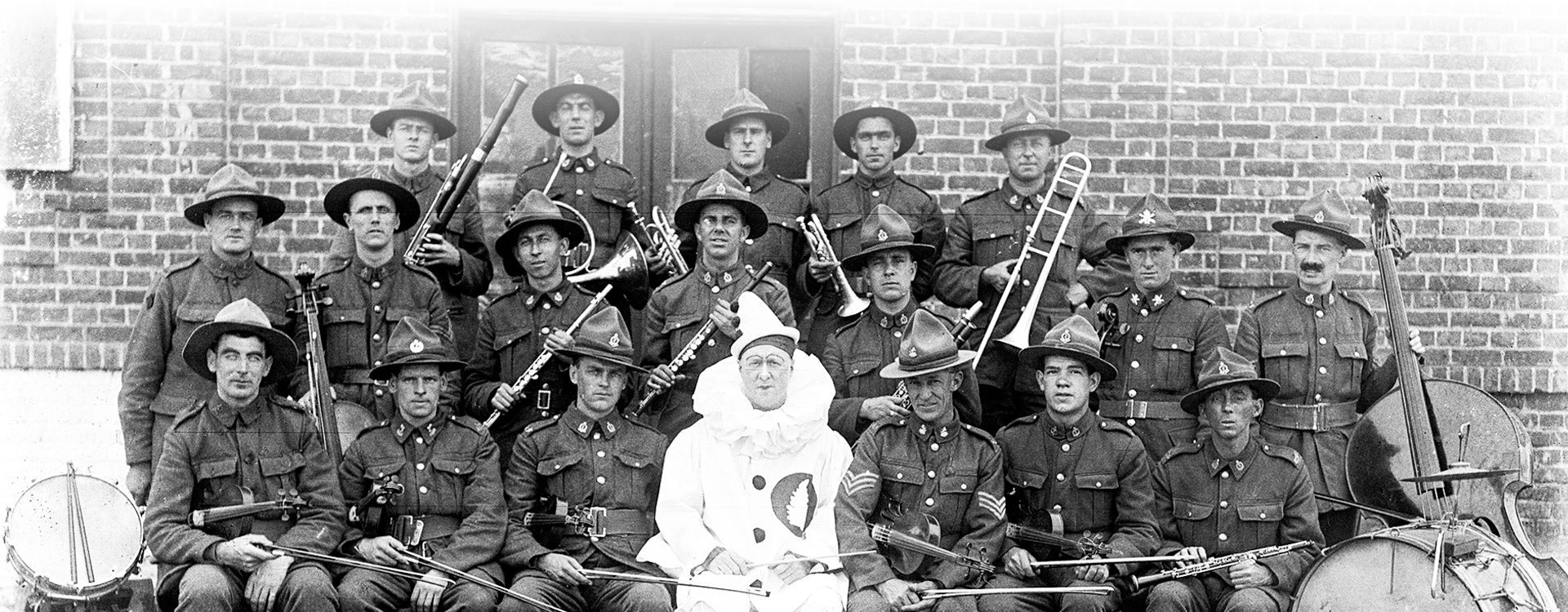
The cost of war for New Zealand was enormous — the official death toll of just over 18,000 represented 5 percent of the country’s military-age men. Many more returned home carrying the physical and psychological scars of war. Despite these terrible losses, most New Zealanders were proud of their country’s contribution and felt that it had enhanced their sense of identity within the British Empire.
After the war New Zealand was granted a League of Nations mandate to administer Western Samoa, which eventually gained independence in 1962.
New Zealanders commemorated the war by building memorials throughout the country, and Anzac Day (marked on April 25, the day of the Gallipoli landings) became an annual day of remembrance for all those who had died.
Aotearoa me te Pakanga Tuatahi o te Ao
Ko te Pakanga Tuatahi o te Ao tētahi o ngā takunetanga tino pāmamae i te hītori o Aotearoa. He mahi ā-motu kāore anō kia kitea i mua i taua wā, ā, ka nui rawa te utu o ngā tāngata i mate, i te katoa o ngā mate i ērā atu pakanga i whawhai ai a Aotearoa. E tata ana ki te kotahi o ia tokorima o ngā tāne me ngā wāhine 100,000 i haere ki tāwāhi i mate – he utu nui mō tētahi motu i paku neke atu i te kotahi miriona ngā kainoho i taua wā. He whakaaweawe whānui tō te pakanga ki te pāpori me te ahurea o Aotearoa, ā, i whakapiki i te whakaaro mō te tuakiri ā-motu.
Nā te mea he wāhanga nō te Emepaea o Piritānia a Aotearoa, ko te tikanga o te whakaputanga a Piritānia i te pakanga ki Tiamana i te Ākuhata o 1914, ka pakanga hoki a Aotearoa. I whakakaha te whanaungatanga me te whakapono whānui he iwi ‘Piritānia’ ngā tāngata nō Aotearoa i te tautoko tūmatanui mō te pakanga. Pērā hoki te whakawhirinaki ohaoha ki Piritānia me te taupuhipuhi ki te Rōera Nawi mō te haumarutanga.
Ka uru a Aotearoa ki te Pakanga
Ko te mahi tuatahi a Aotearoa ko te whakanoho i te koroni Tiamana o Hāmoa i te mutunga o Ākuhata 1914, i te ūnga o te taua 1,400 ngā tūrupa me te kore whawhai.
I te Oketopa 1914 i wehe te tino nuinga o te New Zealand Expeditionary Force, e tata ana ki te 8,500 ngā hōia (e tata ana ngā hōiho ki te 4,000), i runga i ngā kaipuke tūrupa tekau. I whakaaro rātou ka whawhai ki ngā Tiamana i Ūropi, engari i te urunga mai o te Emepaea Otomana (Tākei) ki te pakanga, ka ū rātou ki Īhipa kia āwhina ki te whakahaumaru i te Kānara o Suez, he ara hokohoko emepaea hira.
I roto i ngā tau e whā e 90,000 anō ngā tāngata nō Aotearoa e kawea ai mā te kaipuke ki te pakanga, ka whai i te haerenga mā te moana ki Ūropi, mā te Kānara o Suez, huri noa te Kūrae o Good Hope mā te Kānara o Panama rānei (i ngā tau 1917-18). I te tuatahi ko ngā hōia katoa o Aotearoa he tūao engari mai i te tau 1916 i māperetia ngā tāne ki te whawhai.
Karipori
I te Āperira 1915, ko ngā tūrupa nō te Kōpa Taua o Ahitereiria me Aotearoa i tautoko i te whakamātau Piritānia ki te hopu i te Kūrae o Karipori i Tākei. Ahakoa te kaha o te whawhai i ngā marama maha, ina rā te kōkiri o Ākuhata i riro i ngā tāngata nō Aotearoa i ngā taumata teitei o Chunuk Bair, i te mutunga he tino mūhore te whakamataaratanga.
Ko te āhuatanga i Karipori he uaua rawa. Me whawhai ngā tūrupa ki te kai kino me te kore horoi, ngā mate hōrapa, te wera rawa o te raumati, ā, i te wā i wehe atu ngā ‘Anzacs’ i te kūrae i te Tihema, he ua hōtoke me te hukapapa. E tata ana ki te 2,800 ngā tāngata nō Aotearoa i mate i te whakamataaratanga waru marama – e tata ana ki te kotahi o ia tokono o ngā hōia i whawhai i reira.
Te Pae o te Riri ki te Uru
I muri i te whakarite anō me te whakakaha i Īhipa, i te Āperira 1916 i tae atu te Wāhanga o Aotearoa i hanga houtia ki Wīwī ki te whawhai ki te Pae o te Riri ki te Uru. Ahakoa kua tae ētahi ki ngā uauatanga o Karipori, he tīmatanga tino uaua tēnei ki te pakanga ahumahi i te korahi nunui.
Ko te mahinga nui tuatahi a te Wāhanga i puta i te Hepetema 1916, i te wā o te wāhanga tuatoru o te pakanga o te Somme. I tutuki ngā whāinga e ngā tāngata nō Aotearoa engari e 8,000 ngā whara me ngā mate, tae atu ki te 2,000 i mate, i te wā paku neke atu i te marama e whawhai ana.
I te Hune o 1917 he mahi matua tā te Wāhanga o Aotearoa i te whakaekenga angitu ki Messines i Peretiama, engari he taumaha anō ngā whara me ngā mate. I te 12 o Oketopa, i te huakitanga ki Passchendaele me ngā āhuatanga kino rawa, i pāngia a Aotearoa e te tokomahatanga o ngā mate i te rā kotahi i te matenga o te 840 tāngata i ngā hāora torutoru. Hui katoa, e 9000 ngā whara me ngā mate o te whakamataaratanga o Passchendaele, tae atu ki te 2000 i mate.
I muri i te taumahatanga o te hōtoke uaua i te kounu o Ypres, i te Māehe 1918 i nekehia wawetia te Wāhanga o Aotearoa ki te tonga ki te āwhina kia kati i te kōkiri kōanga Tiamana i te Somme. I waenganui i te Ākuhata me te Oketopa, i te kōkiri nui rawa a ngā Haumi i panaia ai ngā Tiamana ki muri, i pūmautia e ngā tāngata nō Aotearoa i ō rātou rongo hei wāhanga tino whakaaweawe i roto i te Taua o Piritānia, ka tino eke ki te pakanga hāereere me te wini i ngā Rīpeka Wikitoria e rima i ngā wiki e rima.
I te mahi whakamutunga o te pakanga, te wiki i mua i te Rangaawatea o te 11 o Noema, i whakawāteatia e ngā tāngata nō Aotearoa i te tāone Wīwī tūwatawata o Le Quesnoy, e maumaharatia tonutia me te aroha ā rātou whakatutukitanga.
Ko te Pae o te Riri ki te Uru te wāhi tino whakamate o te pakanga mō ngā tāngata nō Aotearoa e kerēme ana i ngā tauoranga 13,000.
Te Waenga o te Rāwhiti
Ahakoa ko te tino tāpaenga pakanga o Aotearoa i muri i Karipori ko te Pae o te Riri ki te Uru, he Rōpū Eke Hōiho me Ngā Pū i whawhai i te taha o ngā taua nō Piritānia, Ahitereiria me Īnia i te Waenga o te Rāwhiti. I waenganui i te tau 1916 me 1918 i āwhina rātou ki te whakahinga i ngā taua Tākei Otomana i Sinai, whai muri mai ko Palestine.
I te koraha o Sinai i rangona e aua tāngata ngā paemahana kaha, he pota wai me ngā āwha onepū auau. I te mutunga o 1917 he mahi matua tā ngā tāngata nō Aotearoa me ngā tāngata nō Ahitereira i te pakanga whakatau, te Pakanga Tuatoru o Gaza, i te hopukanga o te tāone o Beersheba. Neke atu i te 600 ngā tāngata nō Aotearoa i mate i te whakamataaratanga i Te Waenga o te Rāwhiti.
Ngā hōia Māori me ngā hōia nō Te Moana-nui-a-Kiwa
I te tau 1914 e 50,000 noa iho te taupori o te iwi taketake, te iwi Māori o Aotearoa. Heoi anō, he maha ngā Māori e kaikā ana ki te whai wāhi i te pakanga, e kite ana hei kōwhiringa ki te tautoko i ngā tikanga whawhai me te whakaatu i tō rātou ōritetanga ki ngā Pākehā (ko ngā tāngata nō Aotearoa i heke mai i ngā tīpuna nō Ūropi). Heoi anō, ko ētahi iwi, ina koa aua iwi i pāmamaetia e te ringa o te kāwanatanga koroni i te rautau 19, i mautohe i te urunga o ā rātou tāngata ki te pakanga.
He ope Māori e 500 te tokomaha i whawhai ki Karipori i te tau 1915, i pāngia e ngā whara me ngā mate maha. I te tau i muri iho i tukuna kētia ngā tūrupa Māori hei paionea (ringa raupā ki te pae o te riri) i te Pae o te Riri ki te Uru, ā, i hau ō rātou rongo. I te tau 1917 i whakaingoa kētia tō rātou rōpū ko te Pātariana Māori (Paionea). Hui katoa, neke atu i te 2,200 o te iwi Māori, he tūao katoa, i whawhai ki tāwāhi, ā, tata ki te 330 i mate.
He rau ruarua ngā tūao nō te Moana-nui-a-Kiwa, te nuinga nō ngā whenua i raro i te mana o Aotearoa, arā Niue me ngā Kuki Airani, i whawhai hoki hei paionea i roto i te Pātariana Māori. Heoi anō, tokomaha i māuiui i Ūropi, ā, i tukuna kētia ngā taritari nō Te Moana-nui-a-Kiwa i whai ake ki te Waenga o te Rāwhiti.
Ētahi atu Ratonga
Neke atu i te 500 ngā wāhine nō Aotearoa i haere ki tāwāhi i te ratonga nēhi taua, ā, 12 i mate i te ratonga whakahaere. Ētahi atu wāhine i mahi ki ngā taua o Piritānia me Ahitereiria, hei rata, hei nēhi, hei kaitaraiwa waka tūroro hoki.
Kāore he taua wakarererangi tō Aotearoa i te Pakanga Tuatahi o te Ao, engari e tata ana ki te 850 ngā tāngata nō Aotearoa i mahi ki ngā Kora Rererangi Roera o Piritānia, te Ratonga Rangi Nawi Roera me te Taua Rangi Roera, ā, e mōhiotia ana e 76 i mate.
I te tau 1914 ko te taua moana o Aotearoa he kaipuke tawhito, HMS Philomel, i noho ki te Persian Gulf mō te nuinga o te pakanga. He rau ruarua ngā tāngata nō Aotearoa i tere i runga i ētahi atu kaipuke Nawi Roera, tae atu ki HMS New Zealand, he kaipuke pakanga nō mua i te pakanga kua utua e te kāwanatanga o Aotearoa.
Ko te nuinga o ngā tāngata nō Aotearoa i te moana he heremana tē whawhai i runga i ngā kaipuke hokohoko nō Aotearoa me Piritānia, i tuku i ngā hokohoko kai hira ki Piritānia ahakoa te whakawehi o ngā waka whakatakere Tiamana i te North Atlantic. E tata ana ki te kāinga, kua whakatakotohia e ngā kaipāhua Tiamana i ngā whira maina huri noa i te takutai o Aotearoa, e whakatotohu ana i ētahi kaipuke. Kāore e heke iho i te 70 ngā heremana hokohoko i mate i te wā o te pakanga.
Te Aroaro Kāinga
I te tīmatanga i kaha tautoko te whakaaro tūmatanui i te pakanga, engari ka roa te pakanga, ka piki ngā whara me ngā mate, ā, ke piki te utu o te tauoranga, ka piki te ngenge pakanga me te tohe o roto.
Kia whakapūmau i te hoatutanga o ngā tānga, i whakaputaina ai te māpere taua i te mutunga o te tau 1916. Kāore ētahi kaiwhakaepaepa ā-whakaaro i whakaae ki te whawhai nā ō rātou whakapono, ā, he tokoiti i tino whiu rawa mō taua mahi. I whakatakoto te kāwanatanga i te rāhui pāpāho pākaha, ā, ko ētahi kaimahi uniana i tohe i te māperetanga, i porotū rānei i mauheretia mō te tutū.
Nāwai rā he mahi tūao nui, i ārahina te nuinga e ngā wāhine, i kohikohi pūtea ki te tautoko i ngā hōia ki te aroaro, te āwhina i ngā taurewa nō Pehiamu me te āwhina i ētahi atu take tautoko i te motu. Nā te iti o ngā kaimahi, ka tokomaha ake ngā wāhine ki te mahi e utua ana – heoi anō ko ngā panoni ki ngā tauira mahi wāhine mō te wā poto.
Whakaaweawe o te Pakanga
He nui rawa te utu o te pakanga mō Aotearoa – neke atu i te 18,000 te tatauranga mate ōkawa, he 5% o ngā tāne He maha rawa atu i hoki ki te kāinga me te kawe i ngā riwha ā-tinana, ā-hinengaro nō te pakanga.
Ahakoa ēnei ngaro kino ko te nuinga o ngā tāngata nō Aotearoa he poho kererū ki te tāpaetanga o tō rātou motu me te whakaaro kua whakanui i tō rātou whakaaro tuakiri i roto i te Emepaea o Piritānia.
I muri i te pakanga i tukuna ki a Aotearoa te mana nō te League of Nations ki te whakahaere i Hāmoa ki te Uru, i whai i te motuhaketanga i te tau 1962.
I whakanui ngā tāngata nō Aotearoa i te pakanga mā te hanga i ngā whakamaharatanga huri noa i te motu, ā, ko te rā o Anzac (i maumaharatia i te 25 o Āperira, te rā o ngā ūnga ki Karipori) i noho hei rā whakamaumahara ā-tau mō rātou kua mate.